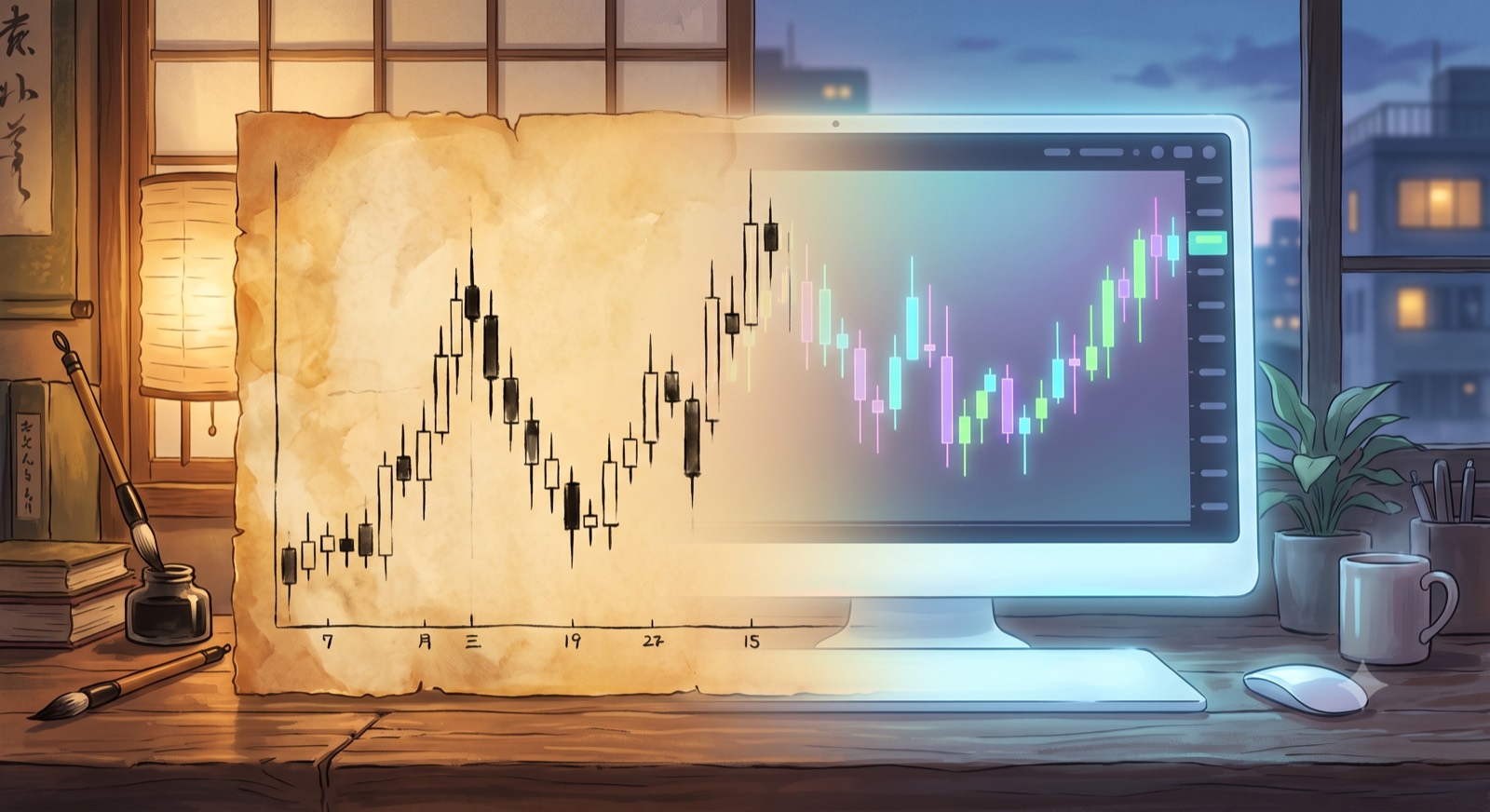
An ink candlestick chart on parchment dissolving into a modern trading screen
Sakata 1750 · PhilForge 2026

One method.
Two markets.

The oldest way of reading a market — candle by candle — pointed at Indian equities and at crypto that never closes, by software that never sleeps, never hopes, and never forgets.

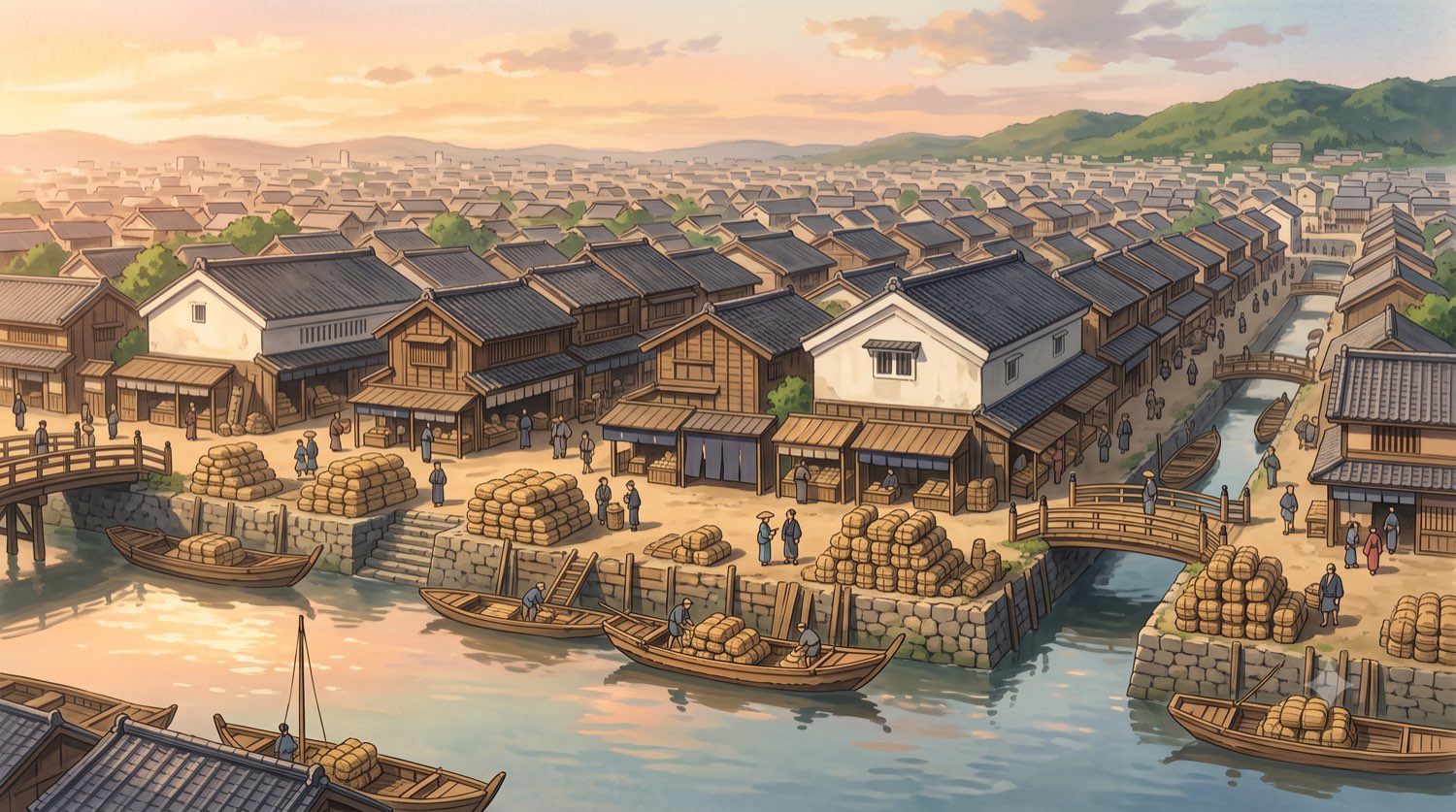
The rice port of Sakata at dawn, boats and bales along the canals
Chapter I · The Port

Sakata, 1750.

Boats came down the river loaded with rice, and the whole of Japan learned what it was worth from the men standing on this quay. The world's first futures market ran here — on paper, weather, and rumour.

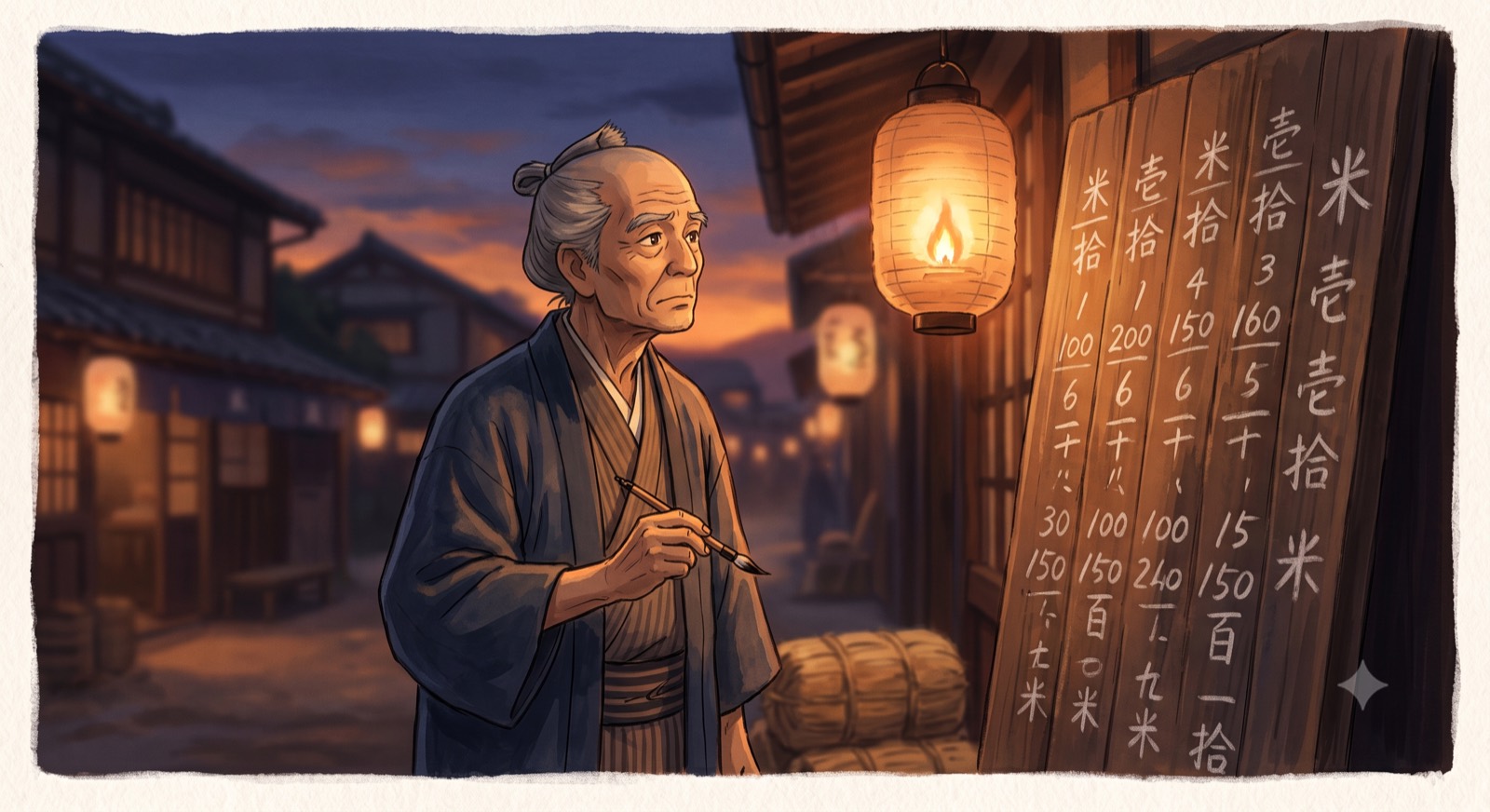
A rice merchant with a brush reading prices on a wooden board by lantern light
Chapter II · The Merchant

One man kept better notes than everyone else.

Munehisa Homma traded rice in Sakata and did something nobody bothered with: he wrote down what the price did every single session, for years, and read the record back.

He wasn't looking for the news. He was looking for the shape of the crowd — where it panicked, where it got greedy, where it exhausted itself.

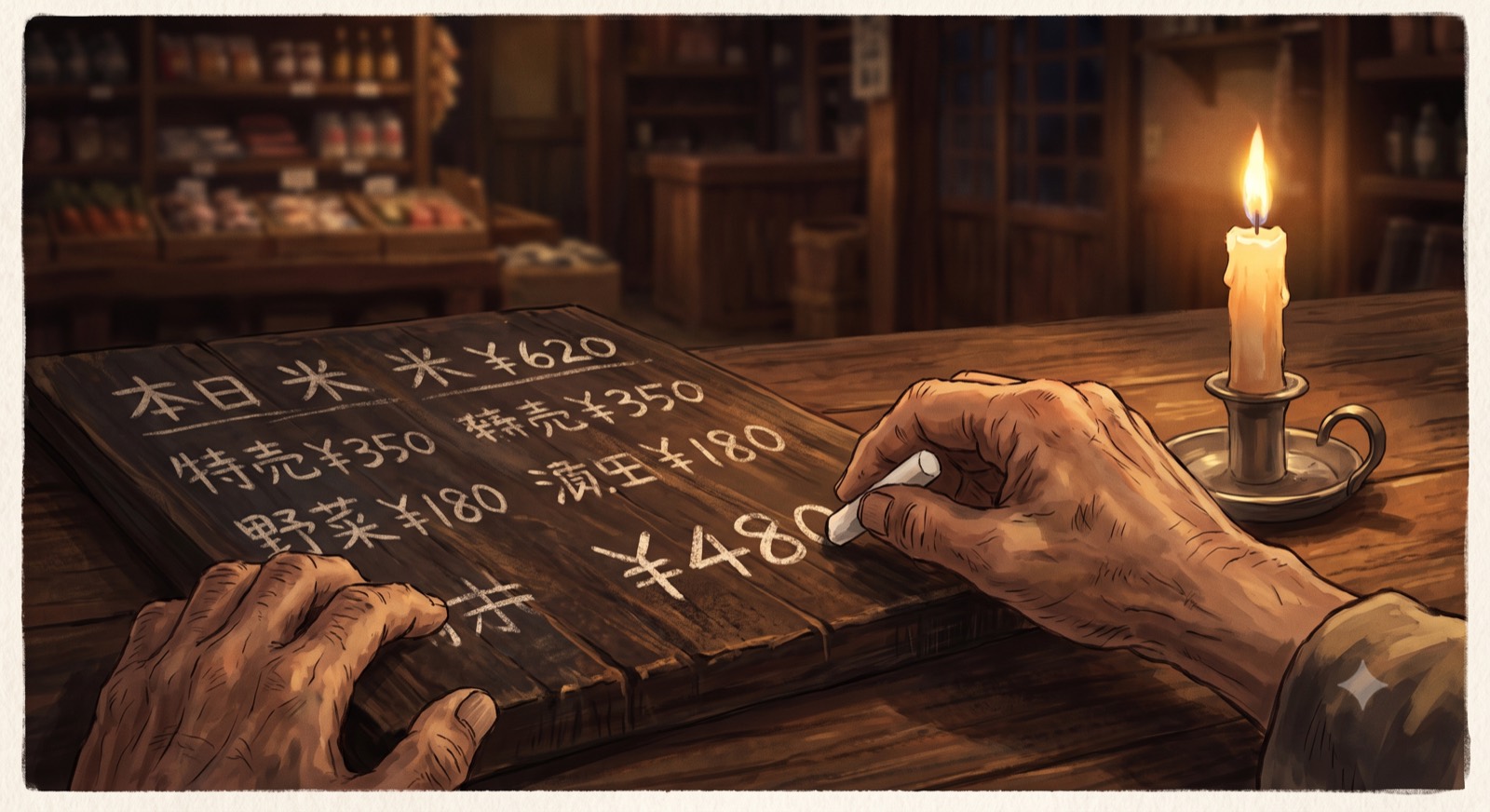
Hands writing prices in chalk on a board beside a burning candle
Chapter III · The Ledger

Four numbers, written by candlelight.

Where it opened. Where it closed. The highest it reached, and the lowest it fell. Nothing else was recorded, because nothing else was needed.

Chapter IV · The Shape

Then he drew it as one mark.

A body between the open and the close, a wick to each extreme. A full session of fear and conviction, compressed into a single brushstroke — and still, 275 years later, nobody has improved on it.

A single candlestick painted in ink on a paper scroll, glowing in candlelight
OpenHighLowClose
Chapter V · The Desks

One rulebook. Two very different markets.

The geometry doesn't care what it's drawn on. What changes is the clock, the instrument, and the broker at the other end — so the desks are kept apart, each with its own engine, its own ledger, and its own money.

PF

PhilForge

Indian Equities & Options

NIFTY, BankNifty and NSE cash — read on the same candles, laddered by the same cascade, squared off before the bell.

  • Trendline & fib geometry on 5m / 15m / 1H
  • Cascade ladders with monthly-expiry options
  • 22 months of replayable history in the Test Bench
  • Paper first. Live only once the paper agrees.
09:15 → 15:30 IST · Mon–Fri
CF

CryptoForge

Crypto Spot & Perpetuals

BTC, SOL, PAXG and the rest — the same shapes, on a market that never rings a closing bell and never goes home.

  • Cascade campaigns that arm, fill and re-arm unattended
  • Fee-aware targets — a round has to clear its own commission
  • Live Binance execution with a reconciling journal
  • Every closed round kept, with the chart it exited on
24 / 7 · it never closes
What both desks are running
Geometry

A trendline stands until price closes above it. Fibs are measured from the leg the crowd actually broke. The rule is the same on a rice board and on a perpetual.

The Ladder

One entry is a guess. A ladder is a plan — each rung armed below the last low, sized so the round clears its own cost before it claims a profit.

The Ledger

Homma's real edge was the record. Every fill, fee and exit is written down, joined back to the chart it happened on, and kept after the campaign closes.

The hand that never blinks

Homma read one market.
These desks read two.

Same shapes. Same crowd. One that closes at half past three, one that never does — both acted on in milliseconds, with the discipline he had to hold in his own head.

Equities Desk Crypto Desk